.png?w=auto&h=400)
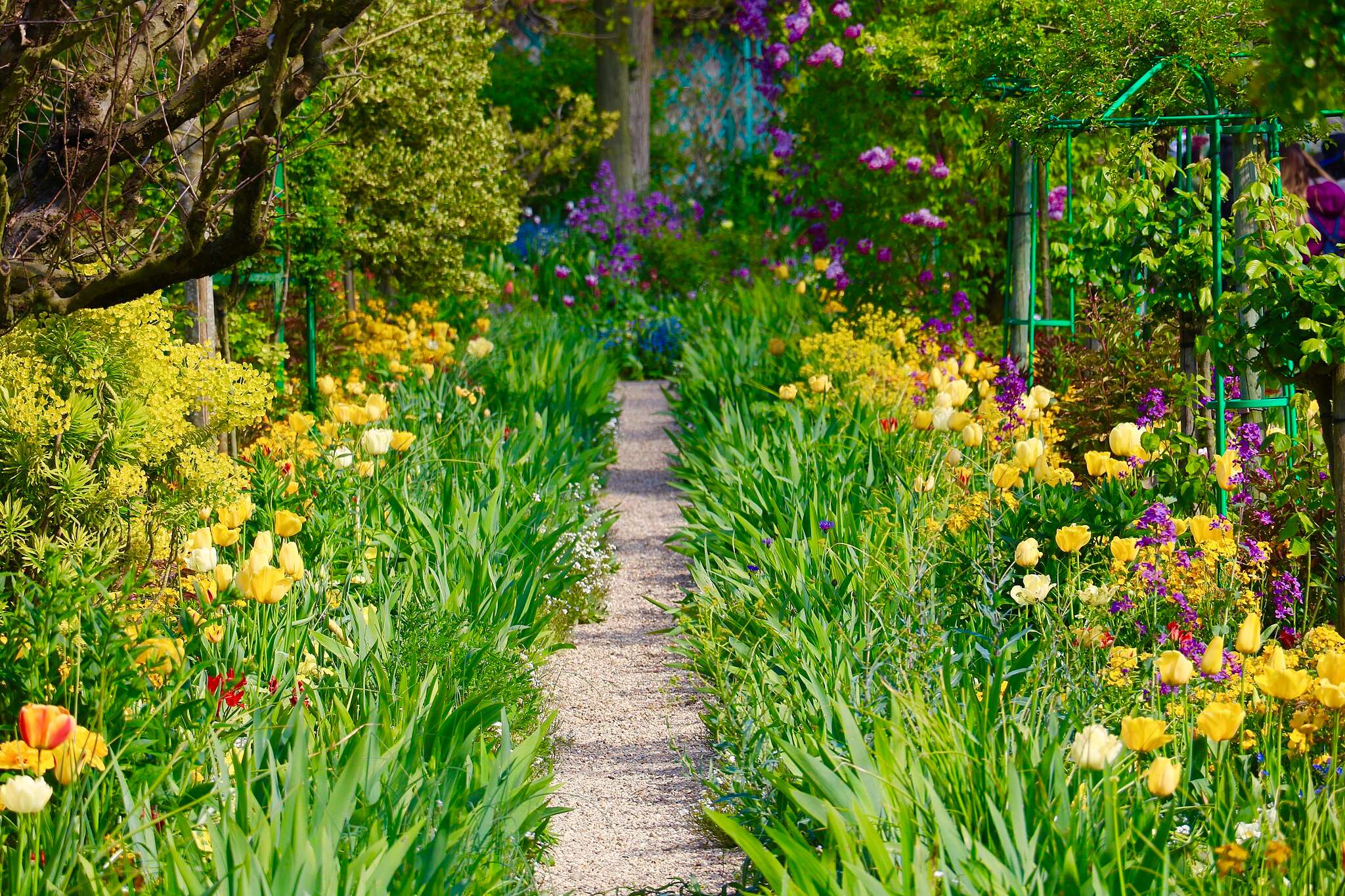
An Introduction to Monet’s Garden in Giverny
Essential Visiting Tips for Monet’s Garden

The gardens change dramatically with the seasons, offering something new at each stage of the year. Spring brings tulips, daffodils, and fruit blossoms, while summer bursts with roses and water lilies. Autumn has its own charm, with golden leaves reflecting on the pond. Weekdays are generally quieter, so avoid weekends and French public holidays when possible. For many, late April to early June or September offers the perfect balance of floral beauty and smaller crowds.

Timed entry tickets are required during the open season, and they can sell out quickly, especially in May, June, and July. Purchasing online before your trip allows you to skip long queues at the entrance and secure your preferred time slot. Booking in advance also ensures flexibility in planning your train and shuttle schedules from Paris, so you can arrive without stress and head straight into the gardens.
.jpg?w=340&dpr=2)
You can reach Giverny from Paris very easily by taking the TER train from Saint-Lazare station, which takes about 45 minutes to reach Vernon-Giverny station. From there a shuttle bus connects directly to the gardens during the open season. For a more scenic approach, bicycles can be rented at the station for a countryside ride. Since schedules may vary on weekends and holidays, checking train and shuttle timings in advance helps ensure a stress-free journey.
.jpg?w=340&dpr=2)
Morning visits offer the most rewarding experience in Monet’s Garden. Arriving at opening time not only means lighter crowds but also allows you to see the famous lily pond and flowerbeds in soft, golden light. Photographers especially will appreciate the morning glow reflecting off the water. By midday, the site fills with visitors, making popular spots more crowded and less tranquil. Plan to arrive as soon as the gates open for the most peaceful strolls.
.jpg?w=340&dpr=2)
A trip to Giverny is about more than Monet’s Garden. Spend time exploring the charming village with its stone houses and flower-decked streets. Visit the Musée des Impressionnismes, which hosts rotating exhibits on Impressionist art and its legacy. If you have the whole day, consider combining your garden visit with a scenic day trip from Paris, including Vernon’s riverside or the rolling landscapes of Normandy. This way, your experience extends beyond the garden gates.
.jpg?w=340&dpr=2)
Though the gardens are compact, you will spend a few hours walking along gravel paths, bridges, and uneven surfaces. Comfortable walking shoes are essential for enjoying the grounds without discomfort. Avoid heels or thin-soled sandals, especially after rainfall when paths may be damp. A light jacket or sunhat is also recommended depending on the weather, so you can fully enjoy exploring flowerbeds, water features, and shaded spots without worry.
.jpg?w=340&dpr=2)
Monet’s Garden offers countless photo opportunities, but some areas are especially iconic. The Japanese bridge over the lily pond is perhaps the most photographed spot, where you can capture Monet’s most famous perspective. Early morning or late afternoon provides the best light for soft, atmospheric shots. Avoid midday when the sun is harsh and crowds fill the pathways. Be patient and take time to frame your shots, as each corner of the garden reveals a unique composition.

Monet’s Garden is accessible to most visitors, with pathways suitable for wheelchairs and strollers in many sections. Facilities on-site include a small café serving light meals and refreshments and a gift shop with prints, books, and souvenirs inspired by Monet’s art. Restrooms are available at the entrance. While the house has narrow staircases that may be difficult for mobility-impaired visitors, the main garden areas are easy to explore with assistance.
_(2).jpg?w=340&dpr=2)
Exploring on your own lets you linger where you please, enjoying the atmosphere at your pace. However, guided tours provide valuable historical context and fascinating insights into Monet’s life, artistic inspirations, and gardening techniques. Many guides are art historians or locals who share hidden details you might otherwise miss. For first-time visitors, a guided option can deepen appreciation, while repeat visitors may prefer wandering freely. Choose based on your interests and travel style.
Suggested Itinerary for Your Trip

- Start your morning with a visit to Monet’s Garden and house, ideally as the gates open. Stroll first through the Clos Normand flowerbeds before crossing to the water garden and Japanese bridge. Spend time exploring Monet’s restored home, with its distinctive yellow dining room and blue-tiled kitchen.
- After lunch in Giverny village, walk to the Musée des Impressionnismes to enjoy temporary exhibitions and landscaped gardens. Use the afternoon to wander through Giverny’s charming streets or relax at a café. If returning to Paris, catch the shuttle to Vernon and then the TER train. For a longer Normandy escape, stay overnight and enjoy the village’s evening calm once day-trippers have left.
FAQs
How long do you need at Monet’s Garden?
It takes visitors around 2–3 hours to explore the gardens and house. You can also add Giverny village to your itinerary and make it a half-day trip.
What should I wear to Giverny?
Wear comfortable walking shoes and bring layers, as the weather can shift quickly, making a light jacket or sunhat especially useful.
What is the best time of year to visit Monet’s Garden?
The best time of the year to visit Monet’s Garden is during late spring and early summer, which offer peak blooms, while September provides pleasant weather and smaller crowds.
Is Monet’s Garden worth visiting?
Yes, Monet’s Garden is worth visiting. The site combines history, art, and stunning landscapes, making it one of the most atmospheric gardens in France.
Is it better to go in the morning or afternoon?
Morning is best for photography and avoiding crowds. Afternoons tend to be busier.
Do you need to book Monet’s Garden?
Yes, online timed entry tickets are required and highly recommended to secure your visit.
About Giverny Monet Garden